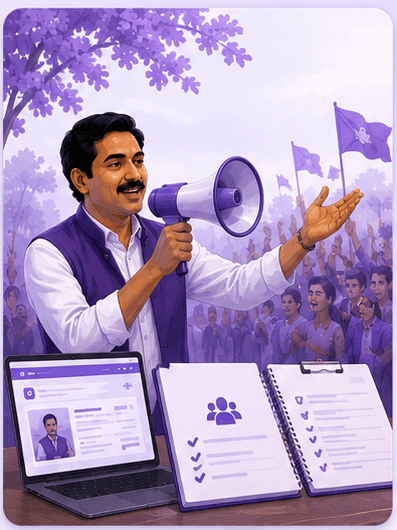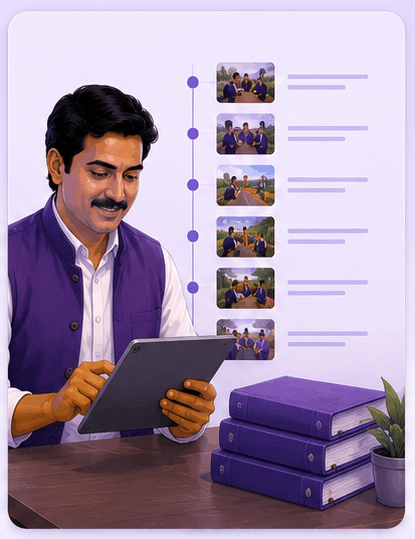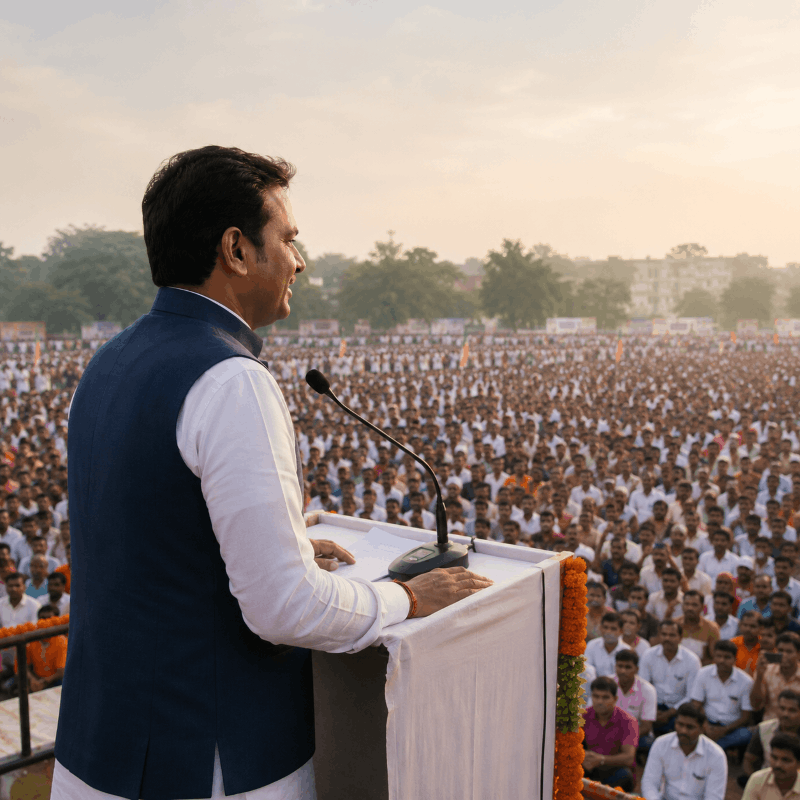
Community concerns are the starting point, but the platform is built to document the political work that follows and make constituency activity visible over time.
Citizens raise concerns -> Political workers review and engage -> Workers document actions and updates -> Leaders observe structured constituency activity.
From community concerned to documented political work in the constituency.
A structured lifecycle where political workers document real work around civic issues inside constituencies.
Citizens surface local concerns within their communities, highlighting issues that require political attention.
Political workers review emerging concerns and identify issues that reflect genuine constituency needs.
Workers raise verified issues on the platform, enabling wider participation across communities within the constituency.
Political workers document meetings, coordination, follow-ups, and progress updates related to the issue.
The platform records the issue lifecycle, making political work within the constituency clearly visible.
Voteecal turns everyday political work into documented constituency activity that can be reviewed, understood, and trusted.
The core challenge is not that issues are absent. It is that the political work around those issues is rarely documented.
Across constituencies, political workers engage with civic issues every day through meetings, follow-ups, local coordination, and issue resolution efforts. Most of this work remains informal and undocumented.
Without structured documentation, it becomes difficult to understand how issues are addressed and how political work evolves over time.
A large portion of political work happens through calls, personal networks, and local meetings without durable documentation.
Issues are discussed in multiple places, but action history, follow-ups, and outcomes are rarely connected as one lifecycle.
Without documented work updates, leaders and organizations cannot reliably observe what work is progressing in each constituency.
The challenge is not a lack of civic concern.
The challenge is the absence of a structured system that documents how political workers engage with issues through their full lifecycle.
Without continuity and structure, political work remains invisible even when it is actively happening.
What changes when political work is documented as structured constituency infrastructure?
Explore the ConceptVoteecal is designed to document political work at the constituency level, preserving how issues are handled from first concern to visible outcomes.
It is not a complaint portal or social feed. It is a structured record of documented engagement.
Meetings, coordination steps, and issue updates create a reliable trail of what work happened.
Each issue keeps context over time, including follow-ups, escalations, and progress milestones.
Documented engagement produces comparable records across constituencies and over time.
When issue handling is documented across time, constituency understanding becomes concrete and comparable.
Instead of isolated reactions, stakeholders can observe how political work progresses through issue lifecycles.
A platform where political workers document constituency-level work through issue lifecycles.
Voteecal is built as documentation infrastructure for political work.
Community concerns can appear quickly, but the follow-through by political workers is often scattered across informal channels.
Voteecal creates structured records of issue handling so that documented engagement is preserved, organised, and observable.
Political workers document meetings, issue discussions, field actions, and follow-up outcomes with continuity.
Each issue moves through traceable stages with work updates that preserve context from start to resolution.
Leaders and organizations can observe constituency activity through documented political work, not assumptions.
To maintain clarity and trust, Voteecal defines clear boundaries.
The platform does not optimize for virality, followers, or engagement loops.
It is not designed for open-ended debates or comment threads.
Voteecal operates independently of election cycles and campaign activity.
The platform does not promote narratives or political messaging.
Its purpose is to document political work and issue lifecycles over time.
Voteecal does not attempt to amplify reactions or reward visibility spikes.
Instead, it focuses on documenting how political workers engage with issues as they evolve across constituencies.
From community concerns to documented political work.
Most systems show what is loud. Voteecal records what work is done. It turns worker engagement into a structured constituency record.
Structure is maintained through system rules that preserve identity, continuity, and documented contribution.
Participation and work updates are tied to verified identity and constituency mapping so records remain authentic and locally grounded.
Issues and actions accumulate through updates so the full lifecycle of political work is preserved over time.
The platform prioritizes documented political work rather than volume of expression. Signals strengthen through recorded action.
Structure is not enforced through claims, it is designed into the system.
Supporting clarity, continuity, and scale, without influencing outcomes.
At the grassroots level, time and resources are limited. Large volumes of participation are difficult to organise manually.
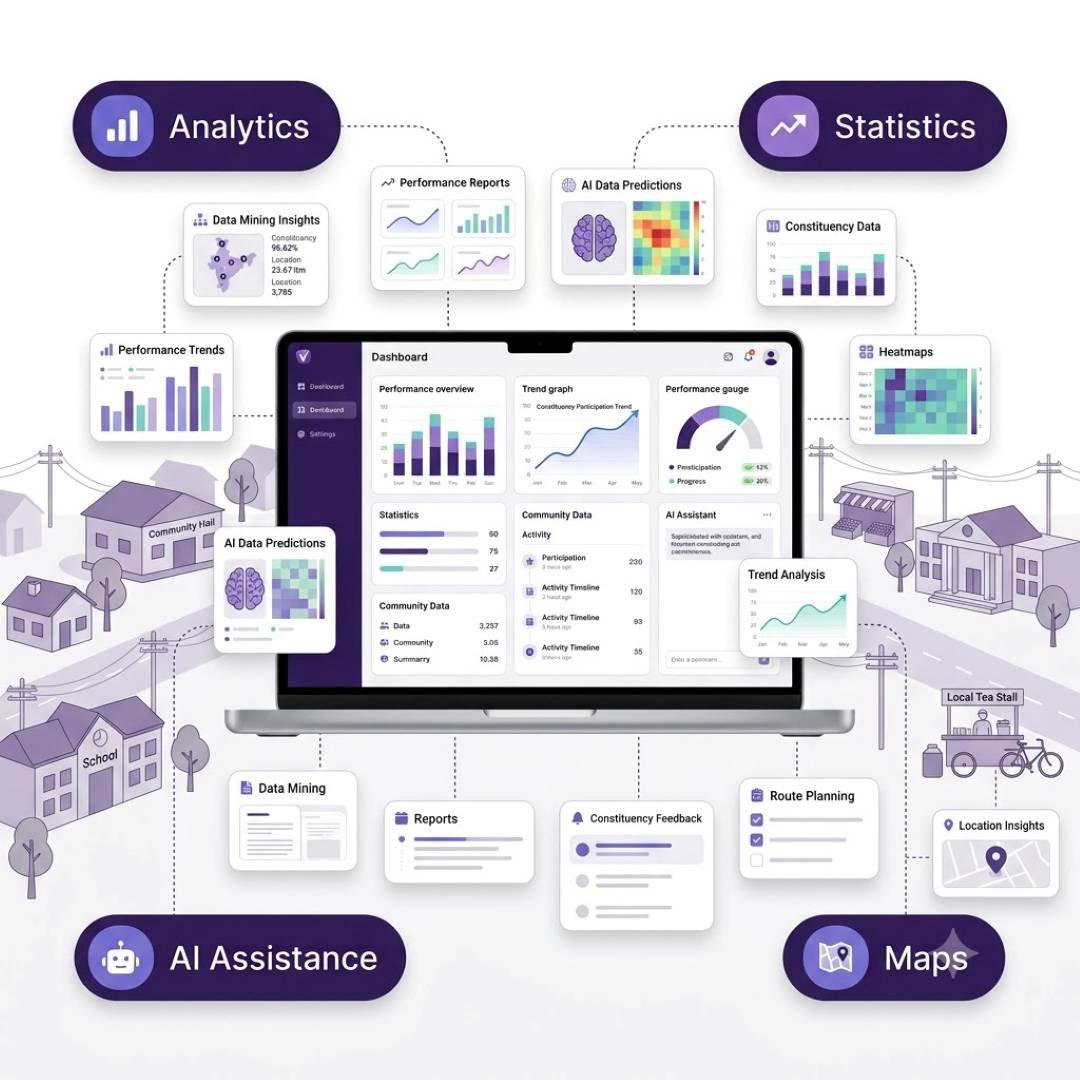
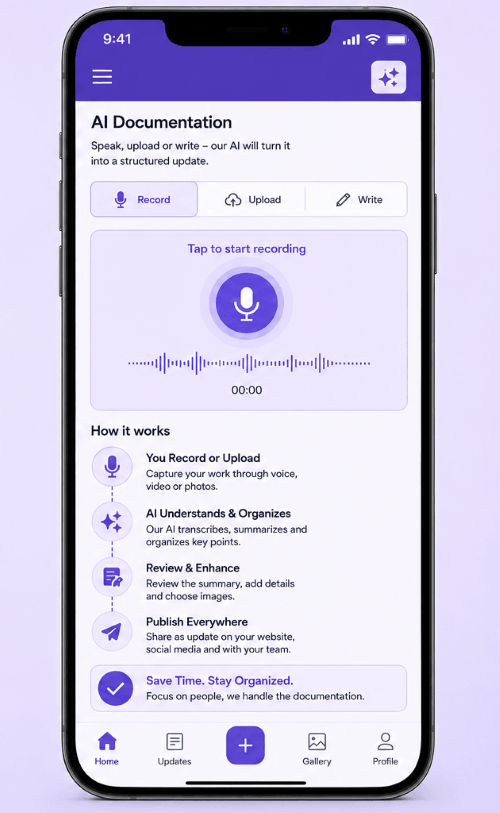
AI is introduced to support scale without diluting intent or trust — assisting human effort, not replacing it.
AI in Voteecal exists to support structure and clarity — not to influence political outcomes.
A structured layer where political workers record real engagement through the lifecycle of constituency issues.
Constituency political work is often intensive but invisible. Meetings, follow-ups, and coordination efforts usually remain undocumented.
Voteecal creates a structured process where political workers document issue handling with continuity, clarity, and accountability.
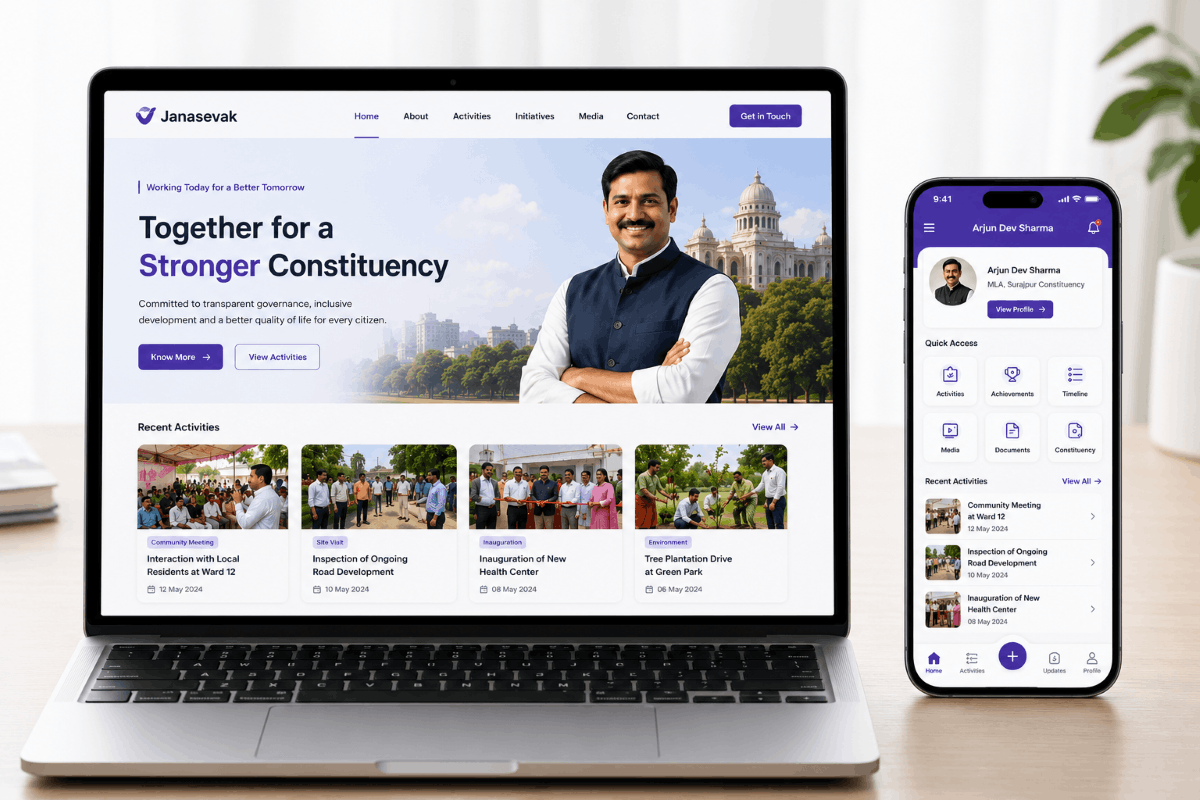
Each record becomes part of a visible constituency activity log that can be reviewed by teams, leaders, and citizens over time.
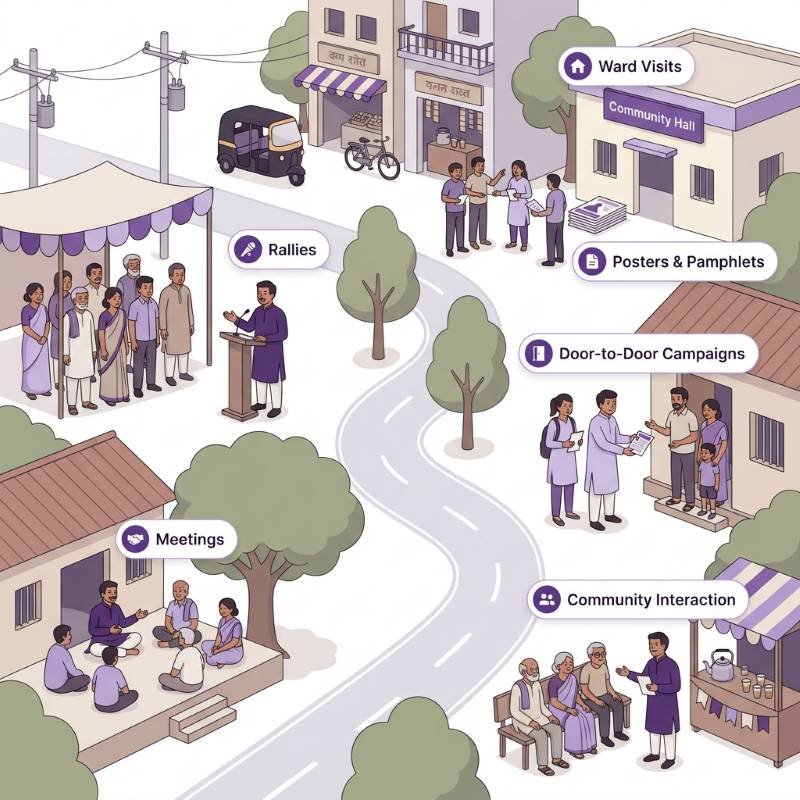
Document local meetings, record what was discussed, and preserve constituency context for structured follow-ups.
Capture coordination between workers and local stakeholders across the full lifecycle of each issue.
Add periodic updates as actions are completed, creating a durable record of constituency-level political work.
Each issue becomes a structured record of political work within the constituency.
Political workers organize participation into documented constituency activity.
Community concerns start the process, but political workers organize the work that follows.
Voteecal structures participation around documented engagement so each role contributes to a visible issue lifecycle.
Through this process, civic concerns evolve into documented political work records.
Who they are
Residents mapped to a constituency who can participate in community spaces.
Role on the platform
Citizens surface local concerns and contribute lived experiences from their communities.
Who they are
Individuals engaged in local political work who meet the platform participation threshold.
Eligibility requirement
Must be connected with at least 15 community members within the constituency before initiating issue records.
Role on the platform
Political workers review community concerns and elevate serious issues to the platform feed.
Who they are
Individuals with recognised public influence in the constituency.
Typical examples: former MPs or MLAs, former ministers, senior public figures, and recognised civic voices.
Role on the platform
They contribute context and broaden understanding of constituency issues.
Who they are
Elected representatives and official institutions responsible for constituency governance.
Examples: current MPs, current MLAs, mayors, ward commissioners, elected Gaon Panchayat members, panchayat presidents and secretaries, and government departments and institutions.
Role on the platform
They observe structured political work records and constituency activity.
Built from verified political workers within a constituency.
Open to verified citizens mapped to the same constituency.
Leaders can observe how political work evolves over time within constituencies.
Political organisation becomes credible when it is built on verified work documentation and sustained issue follow-through, not noise, proximity, or claims.
A trust-first approach to constituency-level political work documentation.
A political system where the everyday work of political workers is documented and visible, helping communities and leaders understand how issues are addressed.
In such a system, leaders can reliably observe constituency activity through real work records.
Political work becomes meaningful when it is verified, sustained, and documented over time.
Building trust-first documentation infrastructure for constituency-level political work by:
Built with purpose. Grounded locally. Designed to last.
Voteecal is built on a simple belief:
Political systems work better when political work is documented, trusted, and rooted in real constituencies.
The platform does not attempt to amplify reactions or manufacture momentum.
Instead, it focuses on something more fundamental — making political work legible, continuous, and credible over time.
By verifying actors, preserving issue lifecycles, and recording local work updates, Voteecal creates the conditions where clear constituency activity can emerge naturally.
This is not a platform designed to be used loudly.
It is political documentation infrastructure designed to be relied on quietly.
Voteecal exists to help documented political work mature into trust —
and trust mature into durable political understanding.
Learn more about the research pilot and contribute to the platform's development.
Your experience helps shape how constituency-level political work should be documented.
Voteecal is currently being developed through a research-driven pilot phase.
Before expanding across constituencies, the platform is studying how political workers document issue engagement, updates, and outcomes in real constituency contexts.
Your responses help us understand how political work currently happens on the ground and how documentation can be structured more effectively.
This research helps design a platform that reflects real political work patterns rather than assumptions.
Before you begin, here is what to expect.
Share how community concerns emerge in everyday life and how local context is concerns.
Describe how grassroots political work is carried out, documented, and followed up.
Share context on how public narratives interact with documented issue lifecycles.
Help us understand how leaders currently observe and interpret constituency activity records.
Help shape the design of a structured political work documentation system.
All responses are analysed only in aggregate for research purposes. No personal identity or political preference is recorded.
The goal is not to build a platform quickly.
It is to build political work infrastructure that can be trusted over time.